
Burst pipe · flooded basement · ceiling leak
Water damage? Get a local restoration pro, fast.
Tell us what happened and your ZIP code. We'll connect you with independent water damage restoration companies near you for free quotes on water removal, drying and repairs.
- Free, no-obligation quotes
- Water removal, drying, mold and repairs
- Help with what insurers usually need
What kind of water damage?
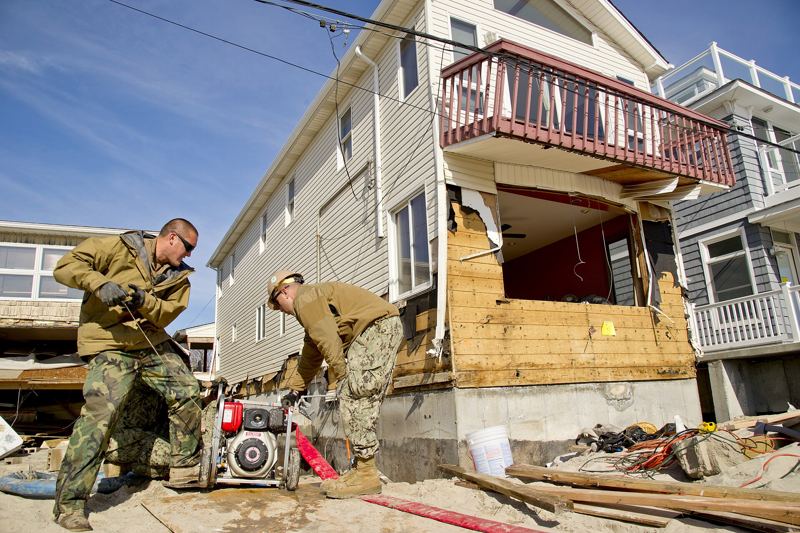
Emergency water removal
Standing water from a burst pipe, overflow or storm, pumped out and dried fast.
Learn more →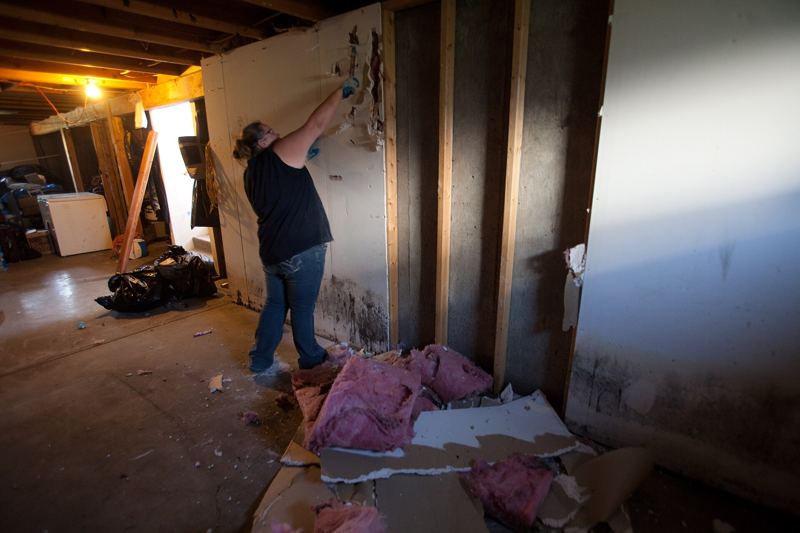
Flooded basement cleanup
Water in the basement from rain, a failed sump pump or a burst pipe.
Learn more →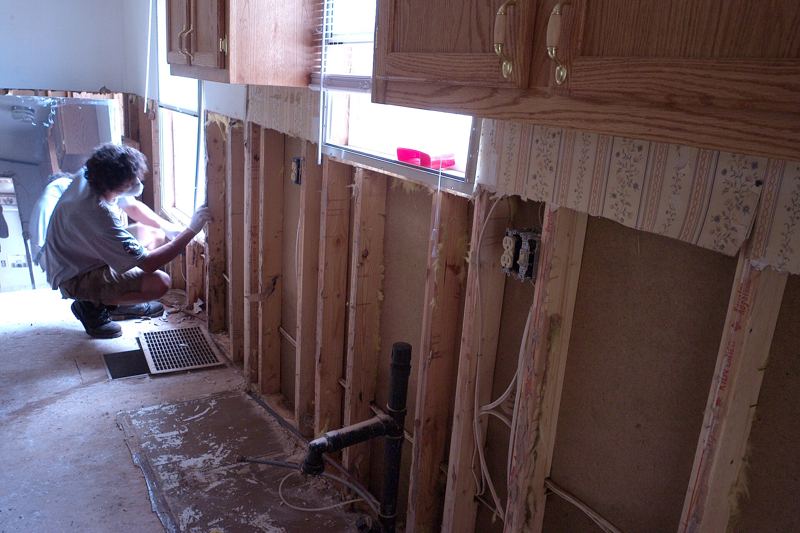
Burst pipe damage
A pipe burst or leaked inside a wall, ceiling or under the floor.
Learn more →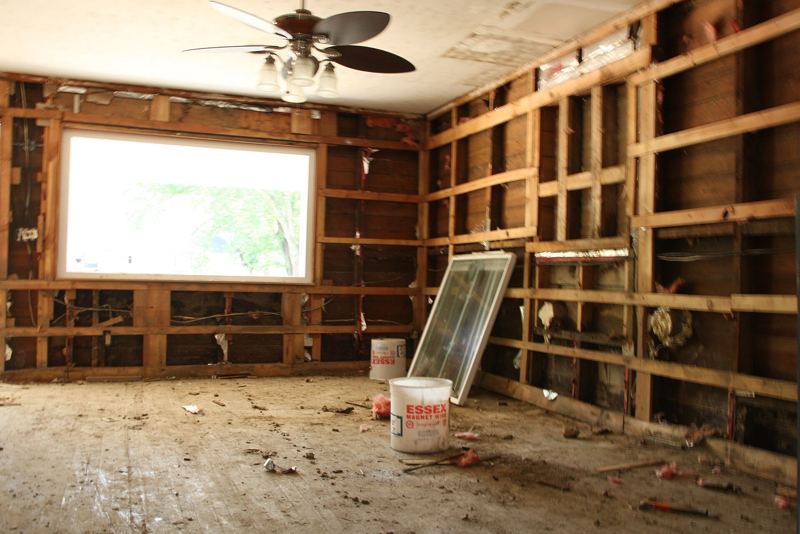
Ceiling water damage
Stains, sagging or dripping from a roof leak, bathroom or pipe above.
Learn more →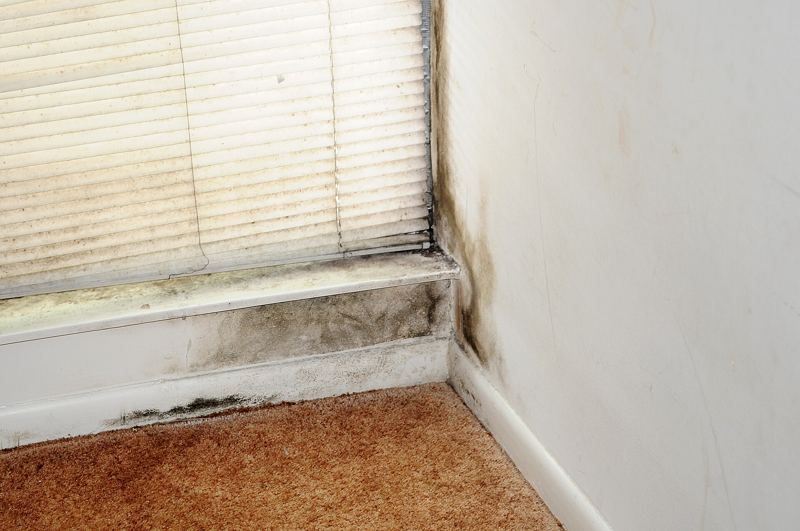
Mold after water damage
Musty smell or spots after a leak that wasn't dried in time.
Learn more →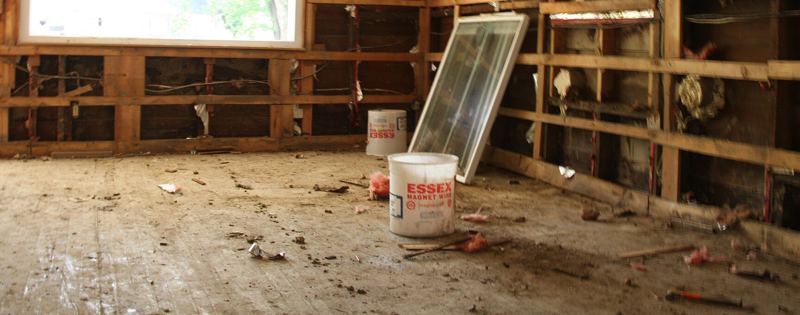
Hardwood floor damage
Cupping, buckling or dark stains in wood floors after a leak.
Learn more →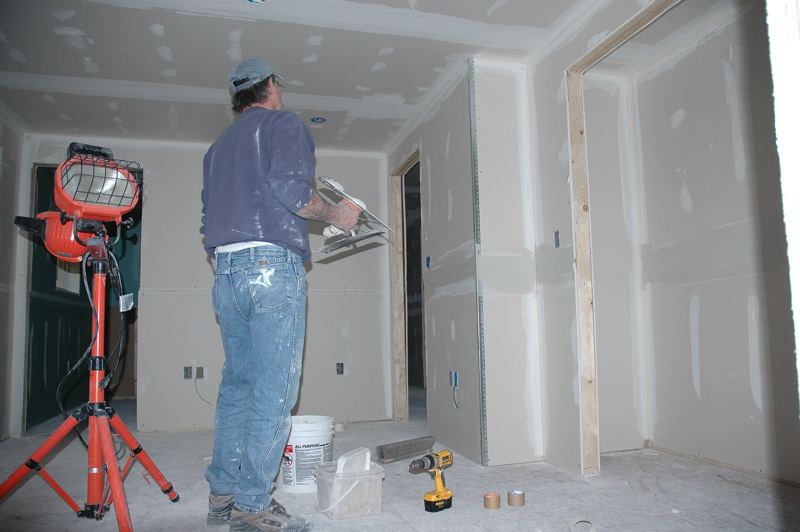
Drywall water damage
Soft, bubbling or stained walls after a leak, and when drywall must go.
Learn more →How it works
- Tell us what happenedThree quick steps: the problem, your ZIP and how to reach you.
- Local pros contact youIndependent restoration companies that serve your area call or text with next steps and a quote.
- You chooseCompare, ask questions and only hire if you're happy. You pay the company directly.
Why the first 48 hours matter
Water spreads into drywall, insulation, subfloors and cabinets fast. The EPA says that if wet or damp materials are dried within 24–48 hours after a leak, in most cases mold will not grow (EPA: A Brief Guide to Mold, Moisture and Your Home). After that, the job usually gets bigger, and so does the bill.
Will insurance pay?
Standard homeowners policies typically cover sudden, accidental water damage, such as an accidental discharge from a plumbing system, but exclude gradual seepage (Insurance Information Institute: Am I covered?) and flood damage, which needs separate flood insurance (FEMA FloodSmart).
Guides
What to do first
A step-by-step checklist for the first 24 hours after a leak or flood.
Read →Repair cost
What water damage restoration and repair costs, and what drives the price.
Read →Does insurance cover it?
What homeowners insurance usually covers, what it excludes, and flood insurance.
Read →Why claims get denied
The common reasons water damage claims are refused, and what you can do.
Read →How long drying takes
How long walls, floors and basements take to dry, and how to know they're dry.
Read →Water categories 1, 2, 3
Clean, grey and black water: why the type of water changes the whole job.
Read →Renters insurance
What renters insurance covers after a leak, and what's the landlord's job.
Read →Questions people ask
Is Water-Damage.com a restoration company?
No. We're a free referral service: you tell us what happened and where, and we pass your request to independent, local water damage restoration companies who contact you with a quote. You deal with them directly.
How fast should water damage be dealt with?
As fast as possible. The EPA says that if wet materials are dried within 24–48 hours of a leak, in most cases mold will not grow (EPA: A Brief Guide to Mold, Moisture and Your Home).
Does homeowners insurance cover water damage?
Often, if it's sudden and accidental, like a burst pipe. Standard policies exclude flood damage, which needs separate flood insurance (Insurance Information Institute: Which disasters are covered by homeowners insurance?, FEMA FloodSmart). See our insurance guide.
What does water damage restoration cost?
Servpro puts the national average repair at $3,865, with most jobs between $450 and $16,000 (Servpro: Water damage restoration and repair cost). See our cost guide.
Is the quote really free?
Yes. Requesting quotes is free and there's no obligation to hire anyone.
Water still spreading?
Every hour counts. Get free quotes from local restoration pros now.